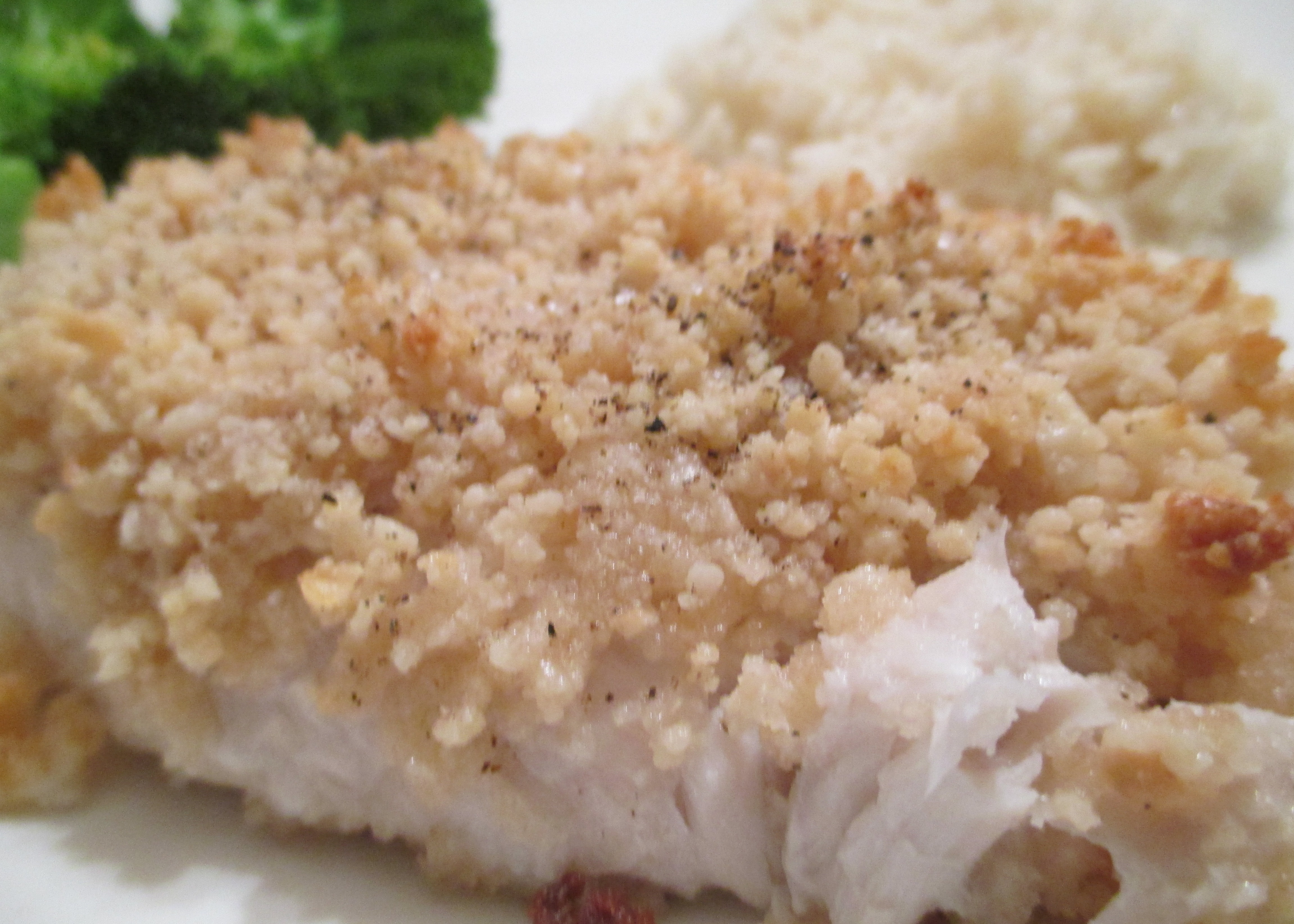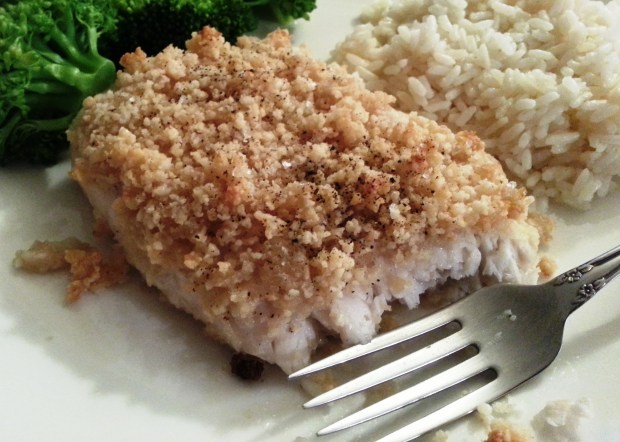
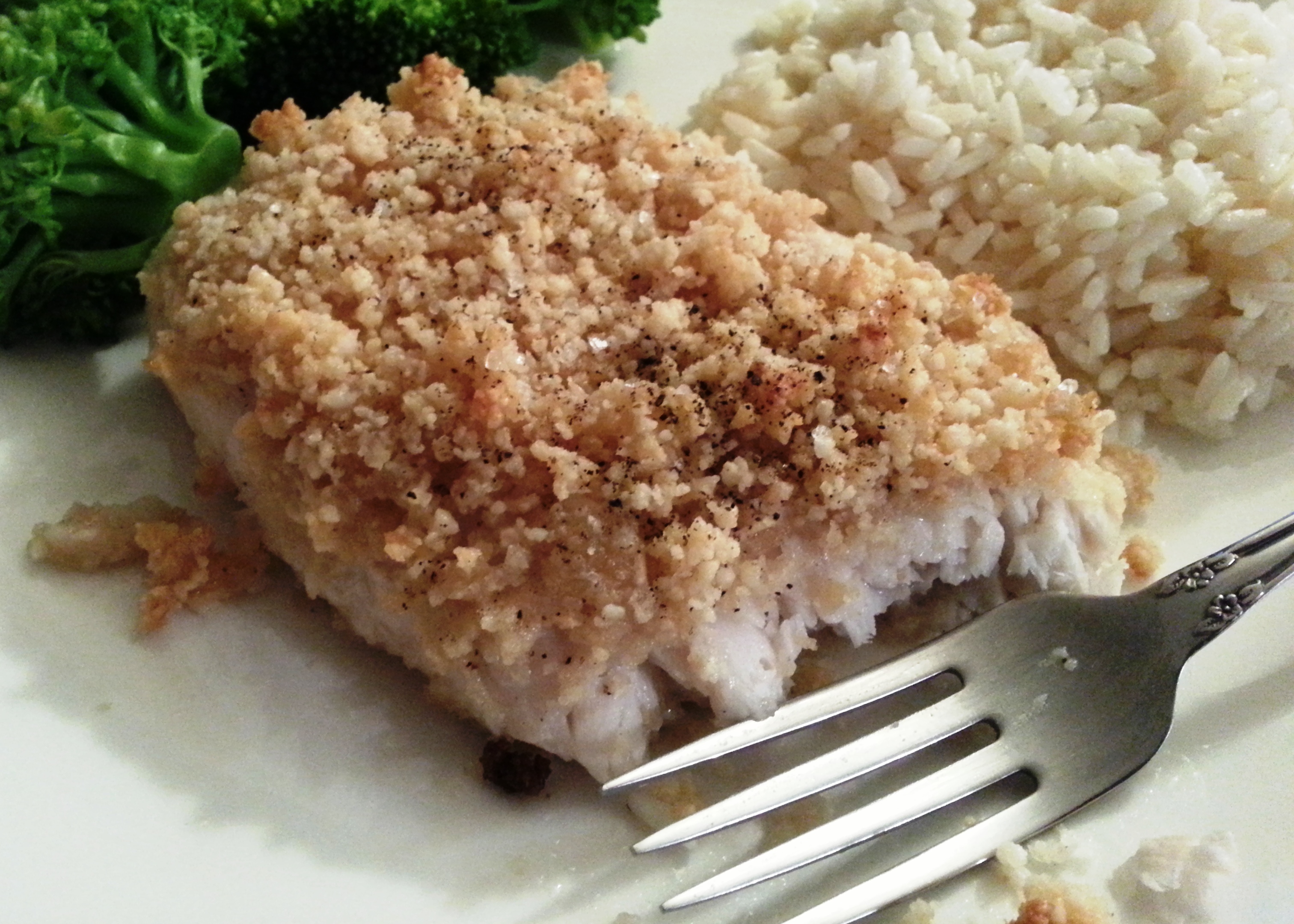
Macadamia-Crusted Mahi-Mahi

The wind is howling. Like, shaking my blinds, waking up Gatsby, and making me think I’m back in Nebraska in a winter blizzard howling. This is a cruel joke after a really rough winter, and then two days of 60+ degrees and sunshine. But, it’s also the incentive I need to get this delicious recipe up on my blog.

You see, I’ve been in Hawaii. Or rather, I was in Hawaii about three weeks ago.

Time out. Can we talk about Hawaii for a moment? Beautiful place. Definitely on the to-do list for pretty much anyone. In honor of my dad’s birthday, we took a cruise that stopped at all four main islands. My favorite island was Maui, I would have loved more time in Kona, and the Na Pali Coast is even more beautiful in person than in pictures. I could have spent two more weeks there (at least), but I’m so glad I went.

Anyway, I am just now getting back into my routine, and feeling the desire to cook creatively. Whenever I travel, I love to experience the local culture and food — and then recreate in my kitchen. I definitely have a few ideas from Hawaii.

But I was on the road for almost two weeks (some business, then vacation), and when I came home all I wanted was very simple, very green foods. I wasn’t ready to experiment with new ingredients or really spend much time in the kitchen. I’m just getting back into the swing of kitchen playtime.
20140309_193216

But, this is actually not a new recipe for me, although I had admittedly forgotten about it until having a similar dish in Hawaii. I first developed it about 6 years ago to copycat a dish I had at a now-defunct Asian fusion recipe. At the time, coconut-based ingredients weren’t mainstream back then, and I knew nothing about Asian cooking (umm, today I know twice as much… which is to say, still nothing), so I used dairy milk and olive oil.

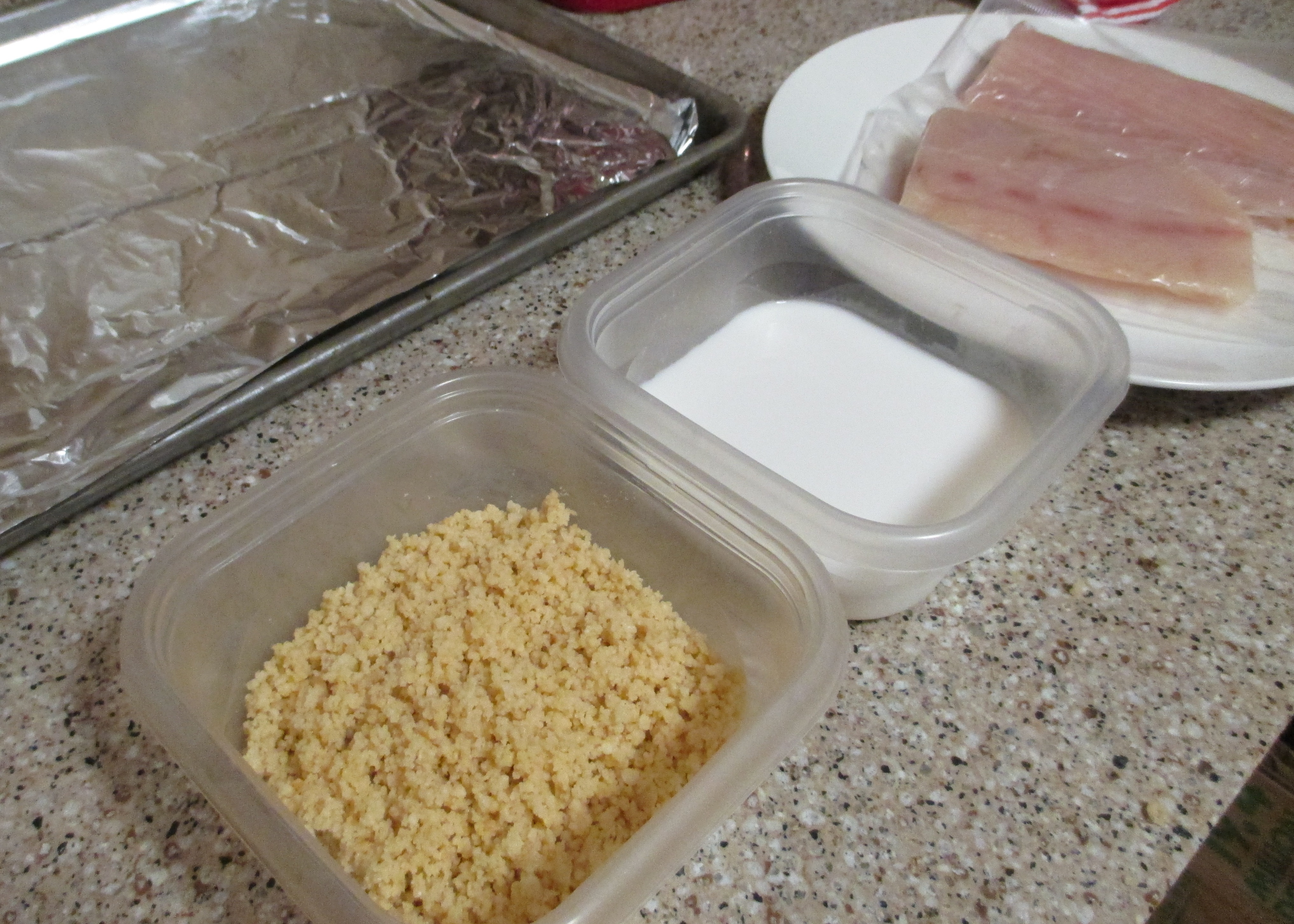
???????????????????????????????

???????????????????????????????

???????????????????????????????

If you’re strict Paleo or gluten-free, panko is a no-go. The problem is, without some kind of binding you’ll end up with macadamia nut butter if you aren’t careful, and it’s hard for the coating to stick. Some people like to use nut flour or nut meal in a recipe like this, and I’m sure they are delicious. But, nuts are heavy and rich. I specifically wanted the lightness and crispiness that panko adds to the dish.

It’s great with rice, or try plantains if you can get some (presuming you like them… they aren’t really my thing). I also like it with a pineapple-based salsa, and I imagine other tropical fruits would also be good. I served this with leftover broccoli, but it tasted too bitter to me. Maybe a first-course salad would have been better? Let me know what you think.

Hope you enjoy! Aloha, and I’ll see you soon.

Macadamia-Crusted Mahi-Mahi

Serves 4

1 1/4 cups macadamia nuts
1/4 cup panko bread crumbs
1 can light coconut milk, shaken (or 1 1/2 cups dairy milk)
Kosher salt
Ground pepper
4 6-oz. boneless, skinless mahi mahi fillets, or other firm white fish

Preheat oven to 350 degrees. Cover a large baking sheet with foil. Spray lightly with cooking spray or brush with melted coconut oil. Combine nuts and bread crumbs in a food processor. Add a generous sprinkling of salt and pepper. Pulse until the nuts are finely crushed (it will resemble couscous). Pour into a shallow bowl.

Pour the milk into a separate shallow bowl. Pat fish fillets dry with paper towels. Sprinkle with salt and pepper. Dip each fillet first into the milk and then into the nut mixture. Place on the baking sheet. Sprinkle any excess nut mixture onto the fillets.

Bake for about 12-15 minutes or until a light golden brown and the fish flakes easily with a fork.
Celery Root Puree

???????????????????????????????

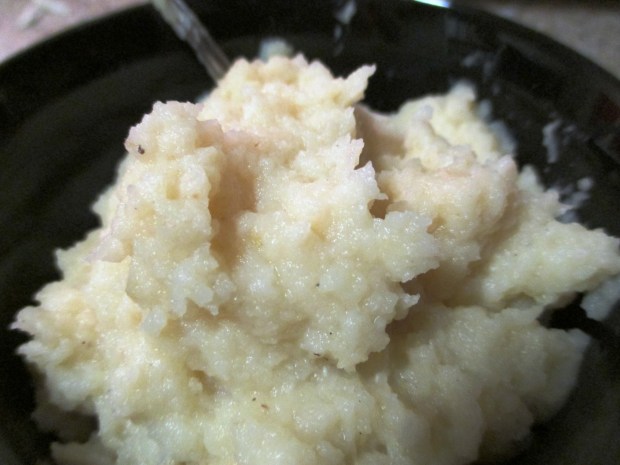
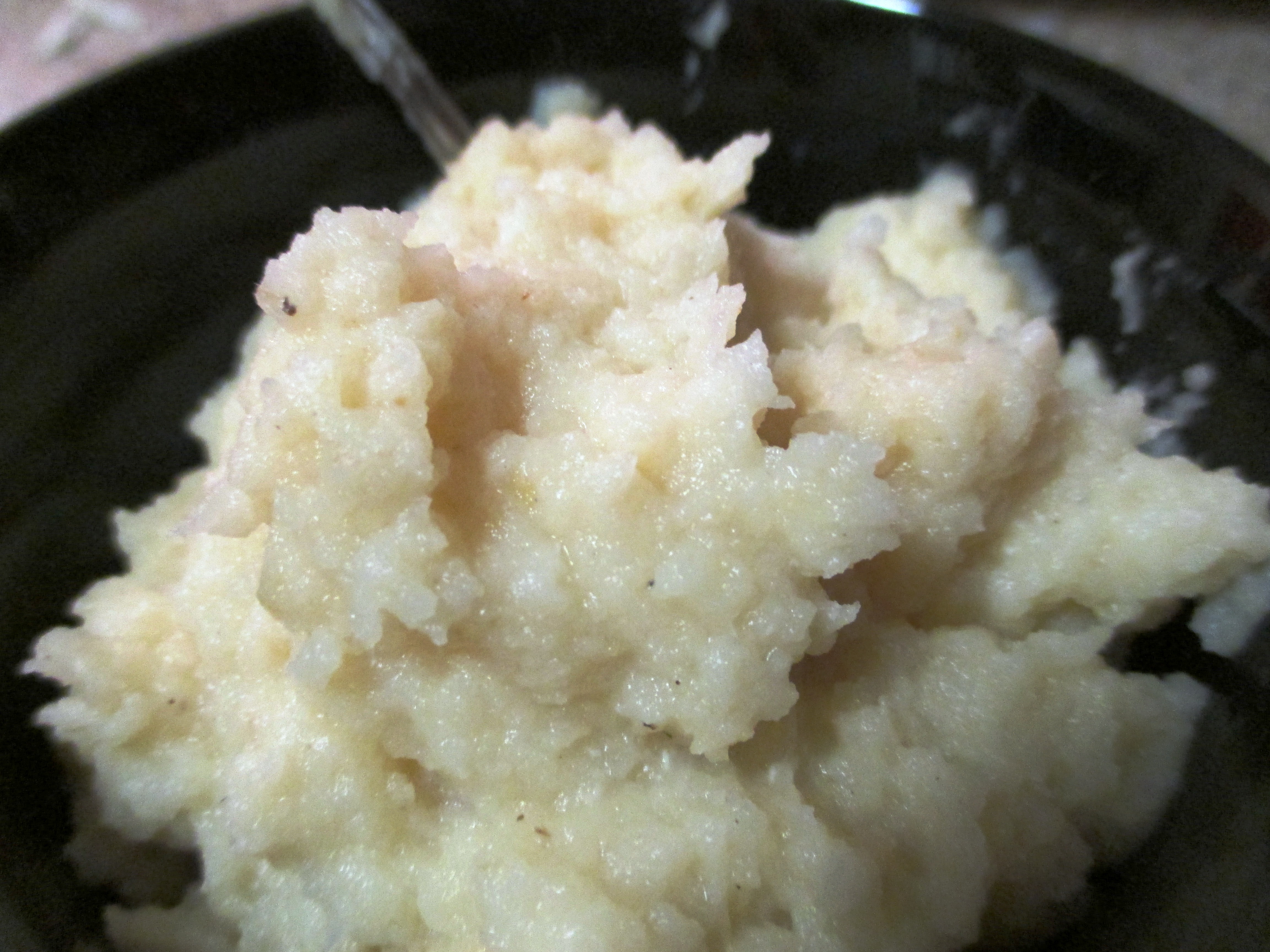
Looks like mashed potatoes… but it’s not. Meet its seductive cousin, celery root puree.

This vegetable dish makes a great base layer for a one-dish main course, like short ribs or creamed chicken, or as a side passed around the table. How about a twist on the classic steakhouse dinner? Perfectly aged beef, celery root puree, and sauteed spinach (or steamed asparagus or broccoli, depending on season). Don’t mind me, I’m just drooling over here in the blogosphere.

Celery root offers a complex flavor – parts butter, sweet and green – and the creamy texture makes it a great foundation for a host of dishes.

Plus, when you buy it, you totally get to impress people at the grocery store. Unlike the hoity-toity shoppers filling their carts with kale, almond flour, and myriad products made from coconut at Whole Paycheck (let’s all roll our eyes in unison), you and your celery root will illicit genuine reactions of fascination and interest. What is that stuff? How do you use it? What does it taste like? Before you know it, you’re the go-to for obscure produce. And that’s pretty fun.

Celery Root Puree

From Around My French Table, by Dorie Greenspan
Serves 6

3 cups milk
3 cups water
1 TBS salt, plus more to taste
2 large celery roots (about 3 pounds total), peeled and cut into 2″ pieces
1 russet potato, peeled and cut into 2″ pieces
1 small yellow onion, peeled and quartered
5 tablespoons unsalted butter, room temperature, cut into pieces
Pepper to taste

Optional toppings: snipped fresh chives, pistachio oil, or browned butter

In a large pot, combine milk, water, and salt. Bring to a boil, watching pot carefully. Add vegetables. Reduce heat and simmer until vegetables are fork-tender, about 30 minutes. Drain, discard the liquid, and shake the colander well to remove as much liquid as possible.

In a food processor, working in batches if necessary, puree the vegetables until perfectly smooth. Add the butter and whir until completely incorporated. Taste and add salt and pepper as needed.

Transfer the puree to a warm serving bowl. Top with chives, oil or browned butter, if desired. Serve immediately.

Store leftovers in the refrigerator up to 3 days or packed airtight and frozen for up to 2 months. To reheat, warm in the top of a double boiler or in a microwave.

Classic Apple Pie

My boss’ birthday was a couple weeks ago, and unlike most of my coworkers, he doesn’t really care for cake or cookies. (Say whaaaaat?) He does, however, like pie — in particular, fruit pie.

IMG_0032

Fruit pies are best when the fruit is in season… which is hard to do in the middle of winter. Fortunately, good apples are available year-round, and apple pie is pretty easy. I used pre-made pie crusts this time, but we’ll save a pie crust lesson for a future post.

???????????????????????????????

Classic Apple Pie

2 pie crusts
5 cups thinly sliced, peeled apples (about 2 pounds)
1 cup sugar
1/4 cup flour
1/4 tsp cinnamon
1/8 tsp allspice
Cooking spray
1 TBS unsalted butter, cut into small pieces
1/2 tsp vanilla
1 TBS milk

Preheat oven to 350 degrees. Fit one crust into a standard 9″ pie crust coated with cooking spray.

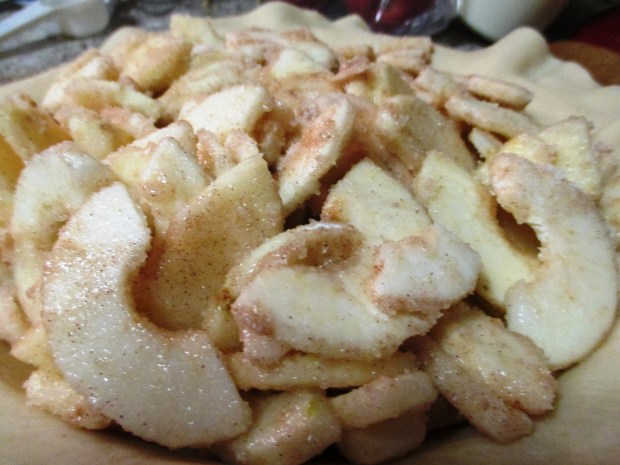
Place apples in a large bowl. Combine sugar, flour and spices and sprinkle over apples, tossing to coat. Spoon over prepared pie plate. Dot with butter and drizzle with vanilla. Top with remaining pie crust. Press edges together, fold excess crust under, and flute the edges. Brush surface with milk. Cut three one-inch slits into the crust.

Bake at 350 degrees for 1 hour until apples are tender.